- Smashi Business
- Posts
- Iran Links Hormuz Fees to Asset Release; Abu Dhabi to Host 2029 IMF/World Bank; TruKKer Volumes Surge 30%
Iran Links Hormuz Fees to Asset Release; Abu Dhabi to Host 2029 IMF/World Bank; TruKKer Volumes Surge 30%

Sunday, April 12, 2026

Happy Sunday everyone!
Regional markets saw a cautious recovery this week as Asian and Gulf stocks stabilized during a fragile two-week ceasefire. While Dubai’s DFMGI and Tokyo’s Nikkei had previously fallen like shit due to shipping fears, a shift toward diplomacy in Islamabad has offered a brief reprieve. From the halls of global finance in Washington to the trucking corridors of the Empty Quarter, the region is adapting to a landscape where traditional sea routes are no longer guaranteed, forcing a rapid rethink of how goods and money move across borders.
In the wake of developments in the region, we hope everyone stays safe. At this critical moment, it is essential to remain united and follow guidance issued by official authorities from your country.
Markets
EGX30 | 48,968.54 | Closed |
DFMGI | 5,715.47 | Closed |
ADX | 9,838.39 | Closed |
Tadawul | 11,318.66 | Closed |
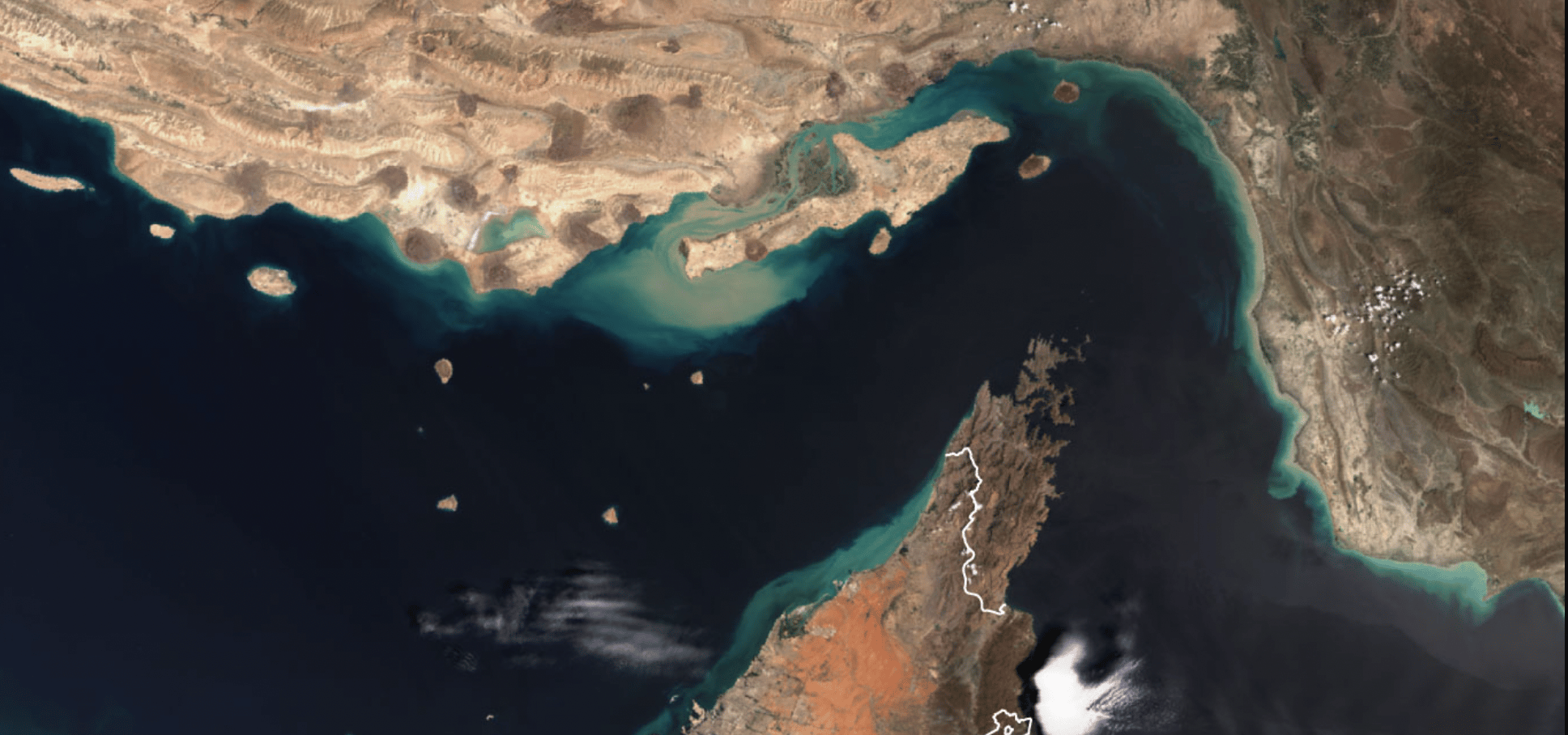
Iran Links Hormuz Access to Frozen Funds and New Rial Tolls
What Is It About?
Iran is moving on two separate diplomatic and economic fronts. First, a senior source reports that the U.S. has agreed to unfreeze Iranian assets held in Qatar to ensure "safe passage" through the Strait of Hormuz. Separately, Iranian lawmakers have proposed a new transit fee system, demanding that ships pay tolls in rials or a $1-per-barrel fee in cryptocurrency to bypass international sanctions.
Why It Matters?
These two developments show Tehran using its control over the world's most vital energy chokepoint as both a diplomatic carrot and an economic stick. While the release of funds could ease immediate tensions, the proposed "Hormuz tax" in rials or crypto creates a permanent, sanctions-proof revenue stream. This adds a layer of cost and complexity for global energy buyers already dealing with high insurance premiums.
What’s Next?
Watch the high-stakes talks in Islamabad to see if the U.S. confirms the asset release. If the deal holds, oil shipments may steady; however, if negotiations fail, Iran could move to strictly enforce its new currency and crypto tolls, potentially triggering another round of volatility in global oil prices.
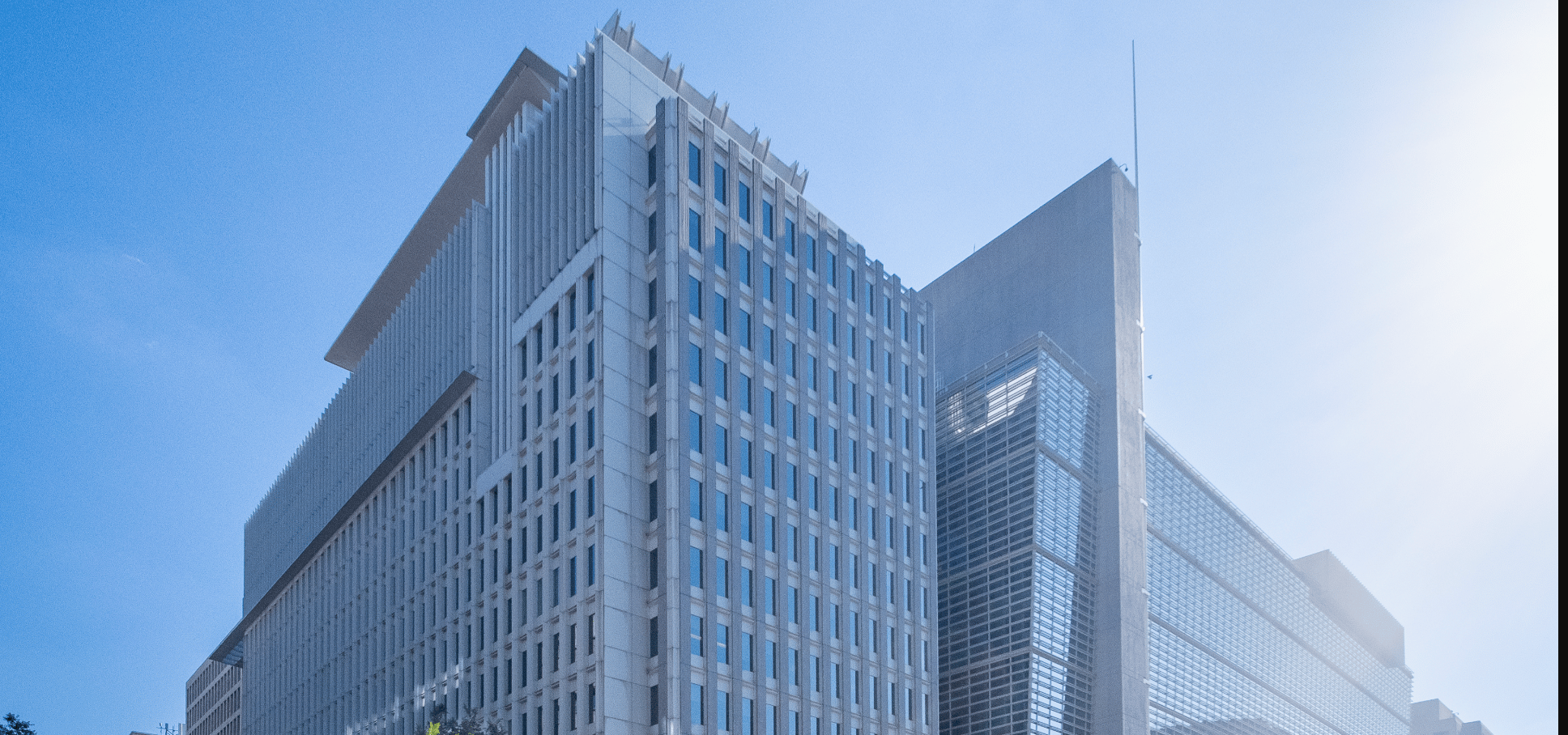
Abu Dhabi Named Host for 2029 World Bank and IMF Meetings
What Is It About?
The World Bank and IMF have officially voted for Abu Dhabi to host their 2029 Annual Meetings. This marks the first time since 2003 that this top-tier gathering of central bankers and finance ministers will return to the UAE. The meetings are the primary venue for the global financial elite to discuss economic stability, poverty relief, and job creation.
Why It Matters?
Winning this bid is a massive vote of confidence in the UAE’s long-term standing. While some feared regional conflict would stall local growth, this decision suggests the world’s financial institutions see Abu Dhabi as a durable, neutral ground for international cooperation. It cements the UAE’s role as a bridge for global dialogue even when the surrounding region faces extreme pressure.
What’s Next?
An official signing ceremony is set for the 2026 meetings in Bangkok. In the meantime, look for the UAE to use its seat at the upcoming Spring Meetings in Washington to push for more direct support for countries hit by the economic ripples of the ongoing Middle East conflict.
TruKKer Volumes Jump 30% as Land Routes Bypass Sea Blockades

What Is It About?
With Hormuz transit effectively stalled, UAE-based TruKKer—often called the "Uber for trucks"—saw its volumes spike 30% in a month. CEO Gaurav Biswas noted that while petrochemical and aluminum shipments have been hit hard, construction materials continue to move. To help, Saudi Arabia and the UAE have eased border rules, allowing empty trucks to cross between nations to pick up urgent loads.
Why It Matters?
The conflict has forced a total rewrite of regional logistics in record time. Formalizing new freight corridors between Oman, Saudi Arabia, and the UAE shows that the GCC can pivot to land-based trade when sea lanes are blocked. Smaller ports and trucking routes are now absorbing volumes they were never built for, proving that regional infrastructure is more flexible than many expected.
What’s Next?
TruKKer is currently moving 1,200 loads a day, but with its predictive software "rendered useless" by the war, the company is managing demand in real-time. Watch for whether these new, easier border rules become a permanent fixture, which would lower the cost of doing business across the Arabian Peninsula long after the current tensions fade.
👨💻From Smashi Business’ Desk
Dubai-based Independent Food Company is hiring across roles including marketing, content and hospitality.
In a striking move that defies industry trends, Alsayegh Worldwide has made a bold commitment to its workforce. Leadership vows there will be no salary reductions and no job losses through 2026.
Saudi Research & Media Group (SRMG) is rewriting the rules of media in MENA.
Semafor is doubling down on the Gulf. The Semafor is expanding to a five-day publishing schedule, scaling hiring, and growing its events business as global attention on the region surges.
Telegram founder and UAE citizen Pavel Durov said Iran’s ban on the platform has led to widespread VPN usage rather than adoption of state-backed messaging apps.
🔍In other news…
Saudi oil exports take 700,000-bpd hit from Iranian attacks
UAE’s Al Habtoor plans $1.4bn commercial tower in Dubai
DIFC and DFSA unveil relief measures to help Dubai financial firms navigate Iran war fallout
IMF chief warns Iran war could lead to higher interest rates
UAE to participate in World Bank, IMF Spring Meetings in Washington mid-April
Sharjah’s resilient economy drives growth in key sectors
🦄 World of Startups
Egypt’s Lucky Raises USD 23M Series B. Its Consumer Credit Model is Expanding Into North Africa
“We Got Funded!” Maison Safqa Raises US$620,000 in Pre-Seed Funding to Expand Luxury Flash-Sale Platform Across GCC
Via Separations, US-based deeptech startup, raised $36M in funding from Aramco Ventures (Saudi), and other global investors.
