- Smashi Business
- Posts
- "UAE is Resilient"; Aluminium Prices Spike; "Only Trump Can End Iran Conflict"
"UAE is Resilient"; Aluminium Prices Spike; "Only Trump Can End Iran Conflict"

Tuesday, March 31, 2026

Happy Tuesday everyone!
Global markets and the Middle East remain on edge as conflict pressures intensify. The UAE is projecting resilience and stability despite ongoing attacks, keeping businesses open and systems running. At the same time, aluminium prices have surged toward four-year highs after Iranian strikes hit major Gulf smelters, raising concerns over global supply disruptions. Meanwhile, Egypt’s President Abdel Fattah al-Sisi has warned oil could exceed $200 per barrel, urging U.S. intervention to prevent further escalation. Together, these developments highlight a region balancing resilience at home with rising risks to global energy, trade, and commodity markets.
In the wake of developments in the region, we hope everyone stays safe. At this critical moment, it is essential to remain united and follow guidance issued by official authorities from your country.
Markets
EGX30 | 45,297.84 | 2.38% |
DFMGI | 5,442.62 | 1.241% |
ADX | 9,525.78 | 0.740% |
Tadawul | 11,173.54 | +0.88% |
QE Index | 10,094.81 | +0.34% |
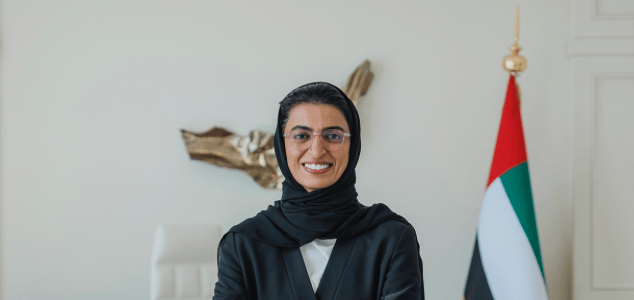
UAE Remains Open And Resilient Despite Attacks, Minister of State Noura Al Kaabi Says
What Is It About?
The UAE remains stable, secure and open for business despite a month of regional tensions, according to Minister of State at the Ministry of Foreign Affairs of the United Arab Emirates, Noura Al Kaabi, who says the country has demonstrated “remarkable resilience” in the face of attacks.
Writing in an opinion piece for The National, the minister said daily life across the UAE has continued uninterrupted, with businesses operating normally, airports functioning and communities are united. She emphasized that more than 95 per cent of incoming drone and missile threats have been intercepted by the country’s defence systems.
Why It Matters?
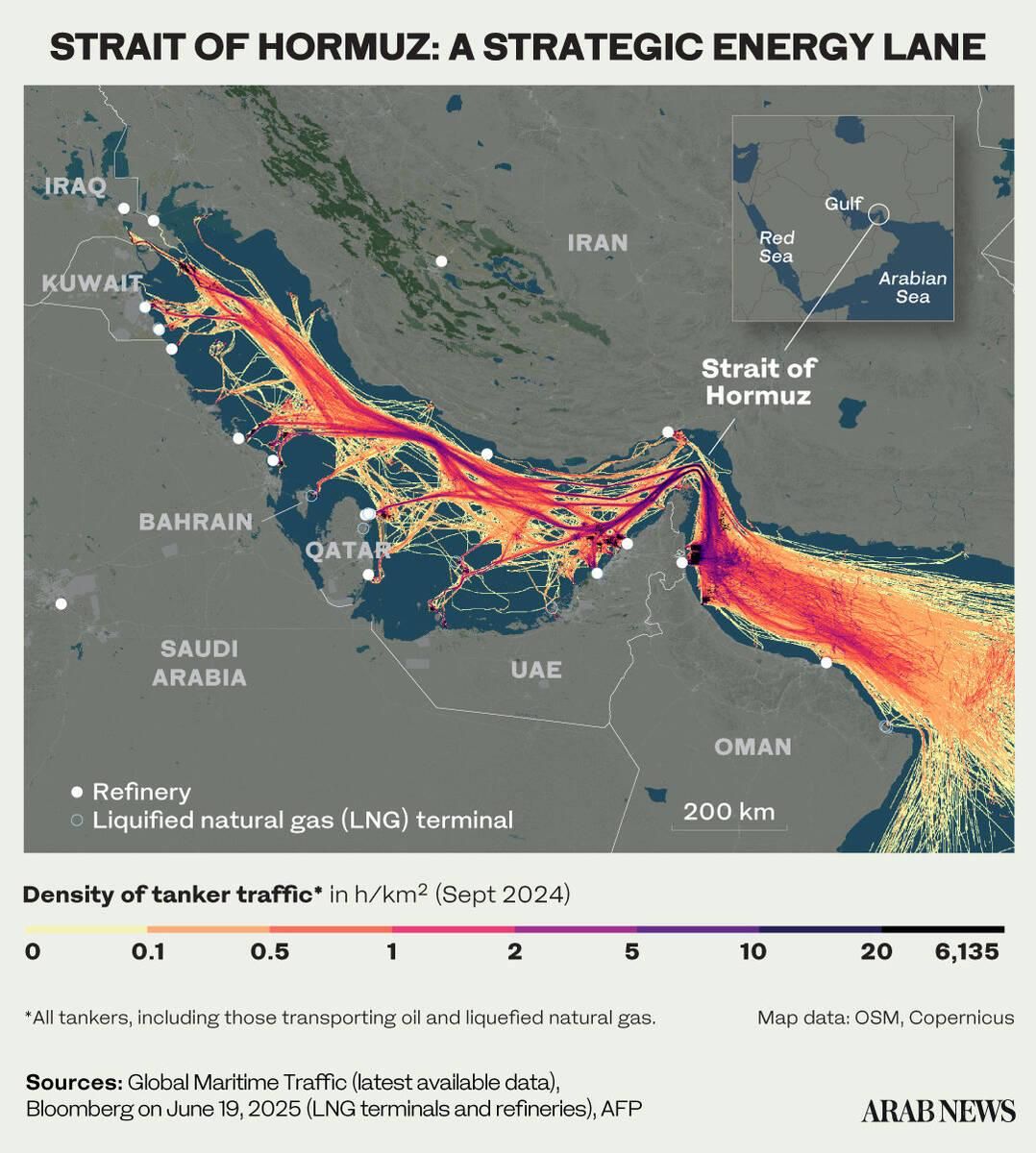
Al Kaabi described the past month as “an unprecedented moment” but stressed that resilience is deeply embedded in the UAE’s foundations, not created in crisis. She pointed to a major fundraising event held during air defence alerts that raised over $300 million for global causes as proof of national unity. She also warned about the global risks of instability in the Strait of Hormuz, a critical trade route for energy and goods.
What’s Next?
While welcoming strong international condemnation, Al Kaabi called for lasting security measures, saying a ceasefire alone is not enough and stressing the need to ensure such attacks “never happen again.”
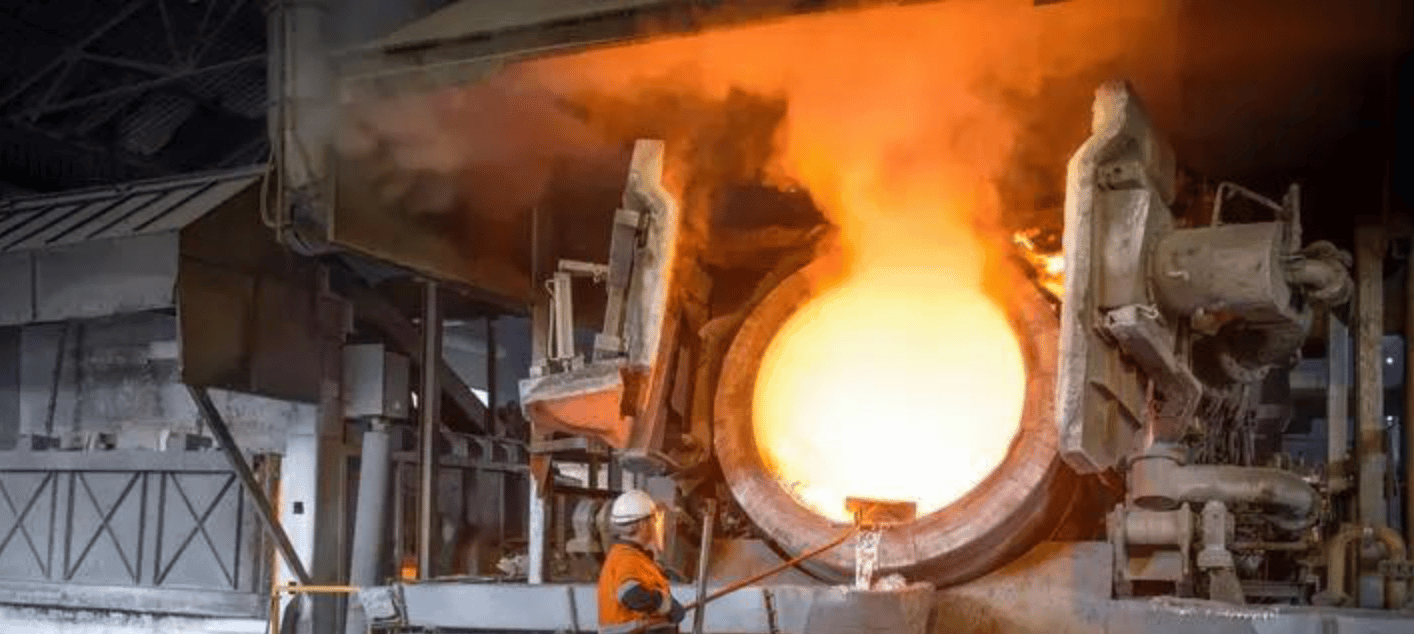
Aluminium Prices Surge Toward Four-Year High After Iran Attacks Gulf Smelters
What Is It About?
Aluminium prices jumped 6% on the London Metal Exchange, nearing a four-year high at $3,492 per tonne, after Iranian attacks damaged major Gulf smelters. Emirates Global Aluminium and Aluminium Bahrain both reported impacts to facilities, with injuries and ongoing damage assessments following missile and drone strikes over the weekend.
Why It Matters?
The Gulf produces around 9% of global aluminium supply, making disruptions significant for global markets. Ongoing shipping constraints through the Strait of Hormuz have already limited exports, tightening supply further. The price spike reflects growing concerns over prolonged outages and reduced availability of the metal worldwide.
What’s Next?
Markets are watching whether prices break above $3,546, which could push aluminium toward highs last seen in 2022. Companies are assessing damage and timelines to resume operations, while investors monitor supply chain disruptions and potential escalation risks in the region.
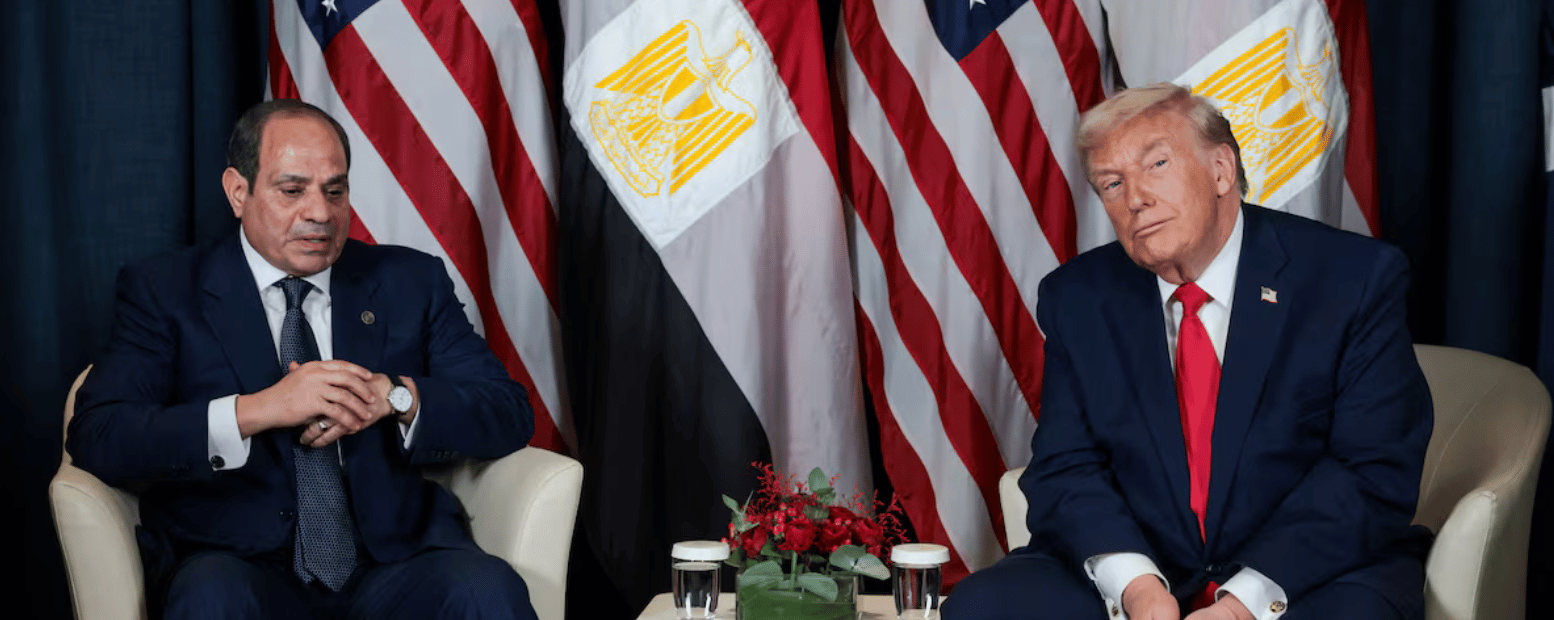
Egypt’s Sisi Urges Trump To End Iran War, Warns Oil Could Hit $200
What Is It About?
Egypt’s President Abdel Fattah al-Sisi has called on Donald Trump to intervene and stop the Iran war, saying only the U.S. can de-escalate the conflict. Speaking at an energy conference in Cairo, Sisi warned that oil prices could surge beyond $200 per barrel amid ongoing tensions.
Why It Matters?
The warning highlights growing fears of a global energy shock as supply routes are disrupted. The Strait of Hormuz, which carries around 20% of global oil, has been effectively closed, tightening supply and driving price risks higher, with major implications for economies worldwide.
What’s Next?
Regional leaders and the GCC are urging global action to secure energy routes and prevent further escalation. Markets will closely watch diplomatic efforts, as any prolonged disruption could push oil prices sharply higher and increase pressure on global inflation.
👨💻From Smashi Business’ Desk
The Uber Co-Founder Who Recently Became a Saudi Citizen Just Turned His CloudKitchens Venture into a Robotics Company
Supplements maker Bioniq, backed by Ronaldo, to be acquired by Herbalife for up to $150m
Dubai Billionaire Cookies Founders Are Open to Selling the Company After Closure Announcement
UAE Millionaire Lewis Allsopp Just Launched the ‘Ticketmaster of Dubai’: Seatsy
🔍In other news…
Kuwait launches stimulus package for banks
Qatar’s Ooredoo creates dedicated cable spin-off OFN
Markets can’t be tweeted back to stability, Mr Trump: Head of ME Energy, Kpler writes for AGBI
Qatar offers loan deferrals, liquidity support amid Iran conflict
Ukraine's drone masters eye Iran war to kickstart export ambitions
🦄 World of Startups
Stake Raises $31M Series B Led by Emirates NBD, Total Funding Hits $58M
US-based Luma AI is planting its flag in Riyadh — opening a regional headquater
Singapore's Ascentium continues its aggressive expansion, acquiring UAE legaltech pioneer Clara in a strategic Middle East play
Abu Dhabi is quietly becoming one of the most influential financiers of the global AI race, with its latest participation in Anthropic’s massive $30B funding round
Safqah Capital has just closed one of Saudi Arabia’s largest-ever seed rounds, raising $15.2 million in a deal that was four times oversubscribed
