- Smashi Business
- Posts
- UAE Non-Oil Trade Hits AED 1.93T; Dubai Unveils Public Transit Plan; Iraq Reroutes Fuel Exports via Syria
UAE Non-Oil Trade Hits AED 1.93T; Dubai Unveils Public Transit Plan; Iraq Reroutes Fuel Exports via Syria

In partnership with

Monday, July 20, 2026

Happy Monday everyone!
Middle Eastern trade and transit networks are actively adapting to regional dynamics through infrastructure expansion and overland supply routes. Driven by a 23.9% surge in non-oil exports, the UAE's non-oil foreign trade grew 13.1% to AED 1.937 trillion ($520 billion) in the first half of the year. Locally, Dubai's Roads and Transport Authority, led by Mattar Al Tayer, launched a five-year urban plan to link 25 residential areas with 63 public transit stations by 2030 to curb congestion. Meanwhile, Iraq has bypassed Strait of Hormuz disruptions by deploying thousands of trucks through Syria, rapidly shifting over a quarter of its fuel oil volumes to Mediterranean ports.
Markets
EGX30 | 52,560.10 | 0.70% |
DFMGI | 5,967.43 | Closed |
ADX | 10,265.49 | Closed |
Tadawul | 10,716.82 | 0.032% |
Gulf Bilateral Trade Pacts Accelerate Non-Oil Customs Volumes
What Is It About
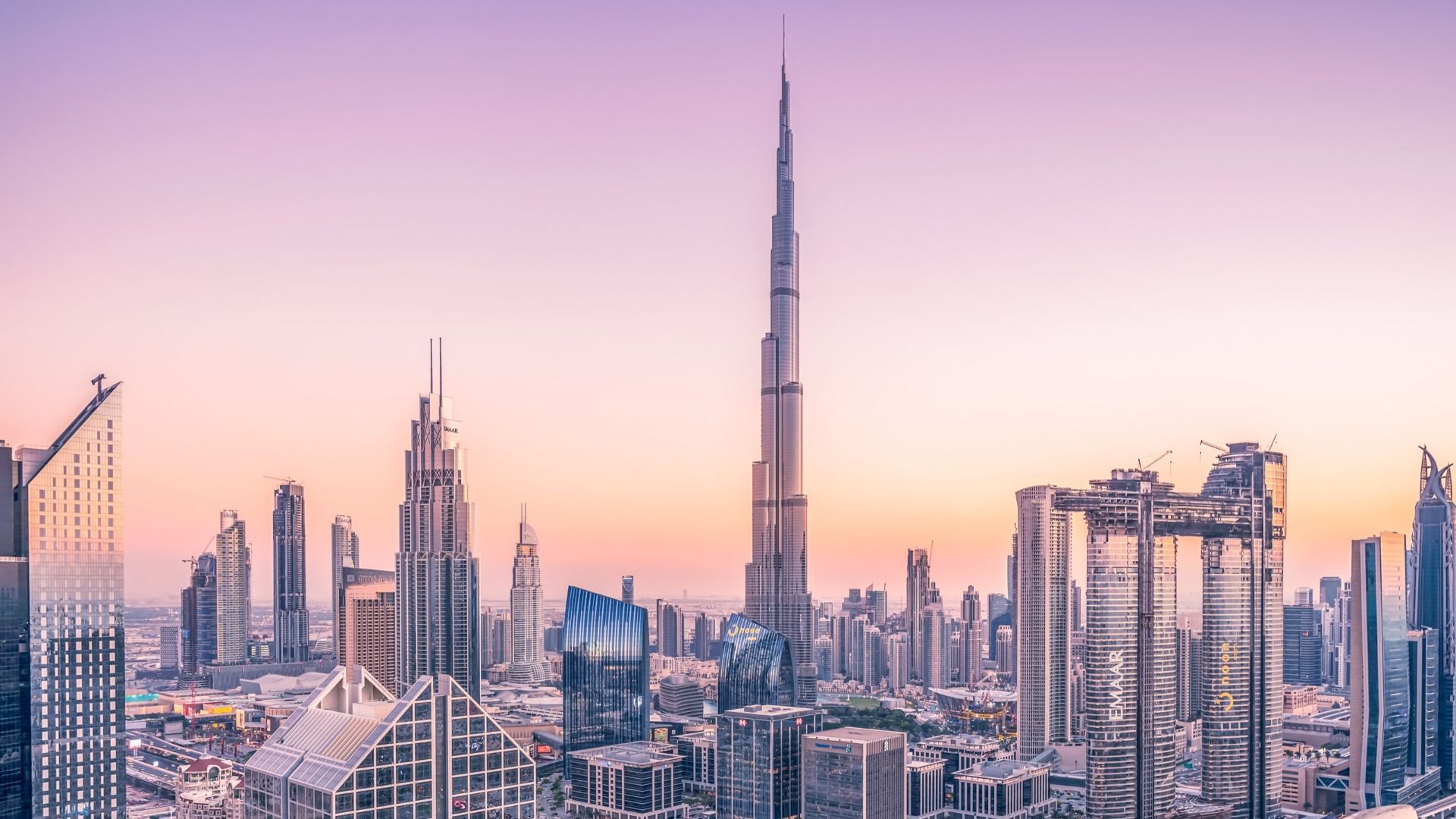
The UAE's non-oil foreign trade crossed AED 1.937 trillion in the first six months of the fiscal year, signaling a strong performance across domestic manufacturing and logistics markets. State records released by Vice President Sheikh Mohammed bin Rashid show that non-oil exports reached an unprecedented AED 452.8 billion. This expansion reflects the impact of the country's Comprehensive Economic Partnership Agreements (CEPA), which accounted for AED 304.3 billion of the total trade volume.
Export Value Gains: Total non-oil export volumes climbing over 23% demonstrates a reduced reliance on historical crude oil processing revenues.
Why It Matters
The double-digit growth in non-oil trade demonstrates that the UAE’s long-term economic diversification strategy is effectively shielding its corporate markets from regional geopolitical instability. By finalizing trade pacts with major emerging markets like India, Turkey, and Vietnam, the country has maintained steady supply chains despite ongoing disruptions to Gulf shipping. This baseline resilience reassures global enterprise firms that the country remains a stable, highly connected corporate hub for the wider Middle East.
Hedging Currency Pressures: Expanding physical goods exports provides steady foreign exchange inflows, shielding public cash reserves from commodity price dips.
Attracting Asset Management: Transparent legal architectures and active trade agreements encourage global firms to base logistics headquarters in regional economic zones.
What’s Next
State planning ministries will focus on bringing the remaining 19 signed CEPA frameworks into active legal force before the end of the year. Customs agencies plan to integrate automated logistics tools to clear cargo manifests at main ports more quickly.
Cut Lead Review From Hours To Minutes

Sign up for a free trial of Attio, the agentic CRM.
Ask Attio to build a daily workflow that surfaces the deals that need your attention today, like anything with a stage change, a recent reply, or a new signal in the last 24 hours.
Review your pipeline in Claude, synced live from Attio via MCP.
That's it.
Dubai Roads and Transport Authority Outlines Last-Mile Connectivity Upgrades

What Is It About
The Dubai Roads and Transport Authority introduced a new five-year connectivity blueprint designed to integrate residential areas directly into the city’s mass transit lines. Led by Director General Mattar Al Tayer, the program intends to link 25 separate residential zones with 63 public transport hubs by 2030. The municipal initiative prioritizes soft mobility options, funding expanded pedestrian walkways, localized bike lanes, and protected micro-mobility infrastructure.
Massive Commute Records: The transit expansion follows high user volume data, with riders logging 57.3 million bicycle trips last year.
Linking Rail Infrastructure: The local network upgrades are timed to connect directly with incoming passenger services from the national Etihad Rail grid.
Targeted Scooter Pathways: Urban planners will construct dedicated lanes for the city's expanding fleet of electric scooters, which handled 39.6 million trips.
Why It Matters
Improving the links between residential areas and main transit hubs is critical for managing road congestion as Dubai's population continues to grow. By providing safer, low-cost alternatives for the first and last miles of a commute, city planners can encourage residents to leave their vehicles at home. This shift toward mass transit lowers urban carbon emissions, aligns with the goals of the Dubai 2040 Urban Master Plan, and reduces infrastructure maintenance costs on major highways.
What’s Next
Construction crews will break ground on the first phase of dedicated cycling networks across chosen suburban communities next month. Transit coordinators will adjust bus loop frequencies to align directly with peak travel windows at key Metro terminals.
Walkway Development Launches: Municipal engineering divisions will start laying down pedestrian lane additions in high-density sectors this quarter.
Integration Software Rollovers: App developers will issue a unified navigation update to let commuters schedule multi-mode transit trips in real time.
Iraq Bypasses Gulf Shipping Chokepoints via Mass Overland Trucking Fleet

What Is It About
Iraq has established an extensive land-based supply line, deploying a massive fleet of transport vehicles to move its fuel oil across Syria to Mediterranean ports. The unexpected logistics pivot has turned Syria into a major export gateway, now handling more than one-quarter of all Middle Eastern fuel oil volumes. The overland transit route takes roughly four days to complete and offers Iraqi refineries a reliable alternative to the contested and mine-threatened Strait of Hormuz.
Preventing Storage Closures: Rerouting heavy fuel oil prevents local Iraqi refining facilities from running out of on-site storage space and facing shutdowns.
Sovereign Sanctions Adjustments: The logistics operation follows a recent decision by Washington to lift specific economic trade restrictions on the Damascus government.
Diversified Exit Pathways: In addition to the Syrian transit route, Iraqi state agencies are dispatching smaller vehicle convoys through Jordan.
Why It Matters
Rerouting fuel oil shipments overland highlights a major shift in how Gulf oil producers are working to protect their export revenues from maritime blockades. With the Strait of Hormuz handling roughly 20% of the world's energy supply, prolonged security risks force oil-dependent nations to secure non-maritime trade corridors. This commercial arrangement helps bring Syria back into the regional economy, while giving Baghdad a reliable way to sustain its public finances during periods of naval conflict.
What’s Next
State energy ministries are reviewing preliminary technical designs to replace the current trucking fleet with permanent cross-border crude oil pipelines. Commercial distributors will monitor weekly border clearance speeds to keep transport schedules running predictably.
Your competitor's growth lead already saw the spend spike.

While your team is still in standup, the other growth lead already got the alert. Viktor is an AI employee that lives in Slack. It watches your Meta and TikTok spend overnight, flags the underperformer by 7am, and drafts the new brief before your first meeting.
Smashi Business Exclusive: Al Haboob Racing Founders On Turning Camel Racing Into A Global Franchise Model

Ahmed Al Haboob and Safwan Modir, founders of Al Haboob Racing, spoke on Smashi Business about building the world’s first professional camel racing team in Saudi Arabia. They explained how they are transforming a traditional, individual sport into a structured, franchise-style model inspired by Formula 1, with teams, sponsorships and long-term commercial value.
The founders discussed leaving corporate careers during the pandemic to pursue entrepreneurship in a “virgin” sports market, despite high operational risks tied to livestock performance. They also highlighted media ventures like their Netflix series Camel Quest, partnerships including Paul Pogba, and their vision to modernize the sport using data and technology.
👨💻From Smashi Business’ Desk
Dreamers: Meet Qatar’s Nasser Al-Khelaïfi, President and CEO of French Giants Paris Saint-Germain.
Dreamers: Meet Moutaz and Ramez Al Khayyat, Qatari Syrian billionaire brothers built one of the Middle East biggest private business empires after relocating to Qatar during the Syrian civil war.
Oil prices erased most of their early gains after the US and Iran agreed to pause attacks and resume talks over the Strait of Hormuz.
Tabby has apologised after mistakenly telling UAE customers they had won an Emirates flight voucher before later admitting the email "was sent in error."
Ben & Jerry Israel has launched what it calls its “most Israeli flavor ever.”
🔍In other news…
🦄 World of Startups
Rentify Raises USD 2 Million Seed Round to Launch Earn AI
CNTXT AI Closes $60M Series A to Deploy Sovereign AI Globally
Blnk Raises $37 Million to Expand Consumer Finance Services in Egypt
Saudi-based Pickappo Closes SAR 2 Million Pre-Seed Funding Round
Three Dubai entrepreneurs have raised AED 10 million for DRBY, a startup seeking to modernise education payments across the UAE through a unified digital platform.
Dubai-based Algebra AI nets $7 million funding to serve mid-market
Moroccan Proptech Startup Agenz Raises $5M to Build Property Data Infrastructure and Transaction Tools Tailored for Local Market
Calo, Bahrain-based meal subscription platform, expanded operations and full suite of services to Oman
